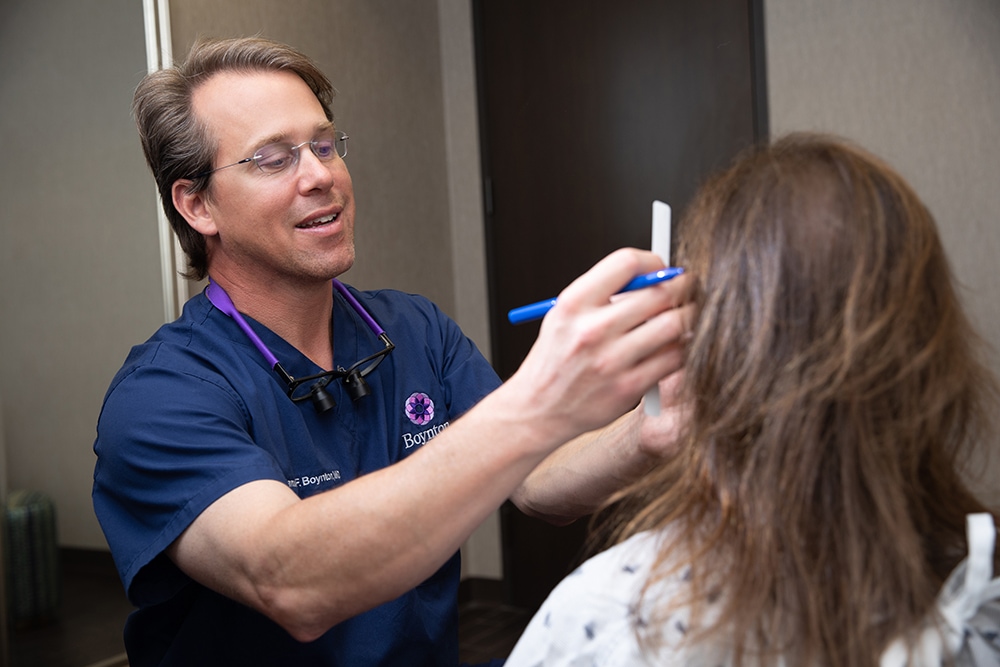
James F. Boynton MD, FACS Board Certified Plastic Surgeon

“Love of Beauty is Taste, the Creation of Beauty is Art”
Plastic surgery is truly a crossroads between art and science. As the son of a prominent modern Texas artist, I was raised with a strong artistic background that I incorporate into my methodical approach to cosmetic surgery, helping me to achieve exceptional outcomes that both complement and enhance the natural beauty of my patients. Meet Houston Plastic Surgeon Dr. James F. Boynton.
Dr. Boynton is certified by the American Board of Plastic Surgery. This distinction is very important because it is an assurance that a plastic surgeon has proven they have undergone extensive training in a wide range of plastic surgery procedures. The ABPS requires doctors to have obtained at least five years of training in an accredited surgical residency program and a minimum of two years focused on plastic surgery within a residency program. To become eligible for ABPS certification, doctors must pass stringent examinations and show proficiency with plastic surgery procedures. The ABPS also encourages high standards of ethics and care throughout the career of the plastic surgeon, and doctors must renew their certification every 10 years. Choosing a board-certified plastic surgeon can ultimately give patients additional confidence that their surgeon has the experience necessary to maximize the potential for a successful procedure.
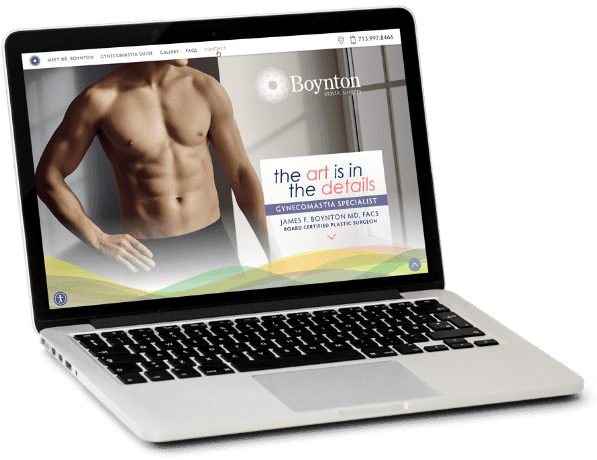
Dr. James Boynton is one of the most prominent surgeons in the Houston area for gynecomastia surgery. He utilizes a number of advanced techniques to address this very common condition in a way that can achieve individual goals with exceptional results. Please click the link below to explore our sister website devoted exclusively to information about gynecomastia and treatment options available from Dr. Boynton.
“Dr. Boynton’s beside manner is phenomenal. He made me feel comfortable from the beginning. I had spoke to several different plastic surgeons before Dr Boynton but Dr Boynton was the only one that I truly felt like he cared about my well-being. Dr Boynton is a blessing. I am truly thankful for him and his amazing staff. My only regret was not doing it sooner.
Kaitlin, Suzanne, and Sophia are so amazing and patient. I had an anxiety attack a week before surgery and Sophia with her soothing voice put my mind at complete ease. Kaitlin is a saint and she truly makes you feel like you are her top priority. Suzanne is the ray of sunshine that greets you as soon as you walk in. Trust me, it’s so worth it to go to a doctor who truly cares and is extremely talented plus surrounds himself with amazing women who hold themselves to the same standards. I just can’t say enough positive things about this office. Definitely would recommend to everyone.”